What Wexenhurst Offers: A Closer Look at Its Capabilities
The Wexenhurst platform brings together a range of capabilities for organising and reviewing information. This page describes each function in practical terms, explaining what it does and how it contributes to the overall service.
Core Functions of the Service
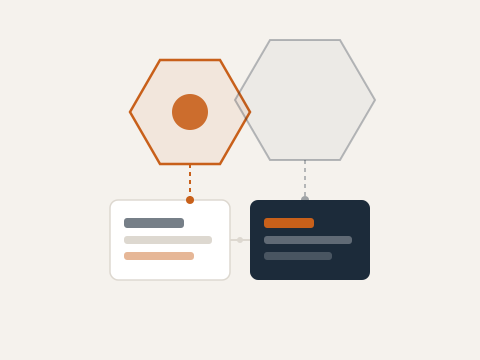
Each capability listed here represents a distinct function within the Wexenhurst environment. They are designed to work as a coherent set, supporting the full process from information intake to structured review.
Information Layout and Structure
Content within the platform is presented in a layered layout that groups related items visually and logically. Users can orient themselves quickly within the available information without navigating lengthy unstructured lists. Sections are separated by function, and the hierarchy of content is reflected in the interface arrangement.
Classification and Categorisation
The classification capability assigns information items to defined categories based on content type, subject matter, or user-configured criteria. Once classified, items can be retrieved as a group or examined individually within their category context. Classification makes it possible to work with large sets of information without losing the relationships between items.
Structured Review Environment
The review environment allows users to examine information items in a consistent format. Each item is presented with its associated metadata and category assignment visible. Users can move through review sessions methodically, with the interface maintaining context between items so that comparisons can be made across the available content.
Content Filtering and Retrieval
Users can apply filters to narrow the content visible within the interface. Filtering operates across categories, content types, and other available attributes. This capability is intended to support focused review sessions where only a relevant subset of the available information needs to be examined at any one time.
Observation and Note-Taking
During review sessions, users can record observations associated with specific information items. These notes remain linked to the item they relate to and are available for reference throughout the session. Observations are not shared beyond the user's own session unless the platform's sharing configuration allows for it.
Enquiry and Access Request Handling
The platform includes a clearly defined pathway for users who wish to request access or submit enquiries to the support team. Submitted requests are reviewed by the team and handled through a documented internal process. The team may request further information where the initial submission does not provide sufficient context for a response.
The Access Request Process
For users who are new to Wexenhurst, the following steps describe what to expect when requesting access to the platform.
Submit Your Enquiry
Use the enquiry form to describe who you are, what you are looking to use the platform for, and any specific questions you have about its suitability.
Initial Review
The support team reads your submission and assesses whether the platform is a suitable fit for your stated requirements. The team may follow up by email for clarification.
Information Provided
If appropriate, the team shares relevant information about the platform and what access would involve, including any conditions or constraints specific to your situation.
Access Confirmed or Declined
Based on the review, the team confirms whether access can be arranged. Wexenhurst does not commit to approving all requests, and the outcome is communicated directly to the enquiring party.
How the Capabilities Come Together in Practice
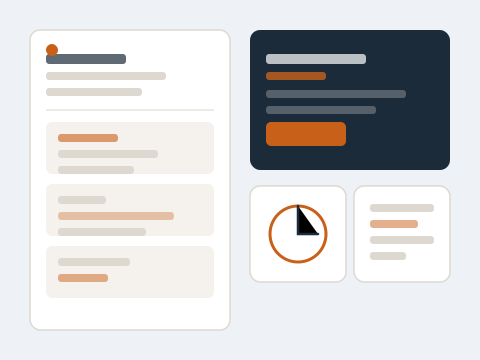
The individual capabilities described on this page are not isolated features. They are designed as components of a coherent working environment. Classification informs the structure of the review layout; filtering and retrieval are most useful within a well-classified content set; and the observation tools add value specifically during structured review sessions.
This integration means that the platform is more effective when used as an organised workflow rather than as a set of individual tools. Users who engage with it in that way tend to find the review process significantly more productive than those who approach individual functions in isolation.
Begin Your EnquiryStill have questions about specific capabilities?
The support team can address questions about particular functions or discuss how the platform might suit a specific use case.